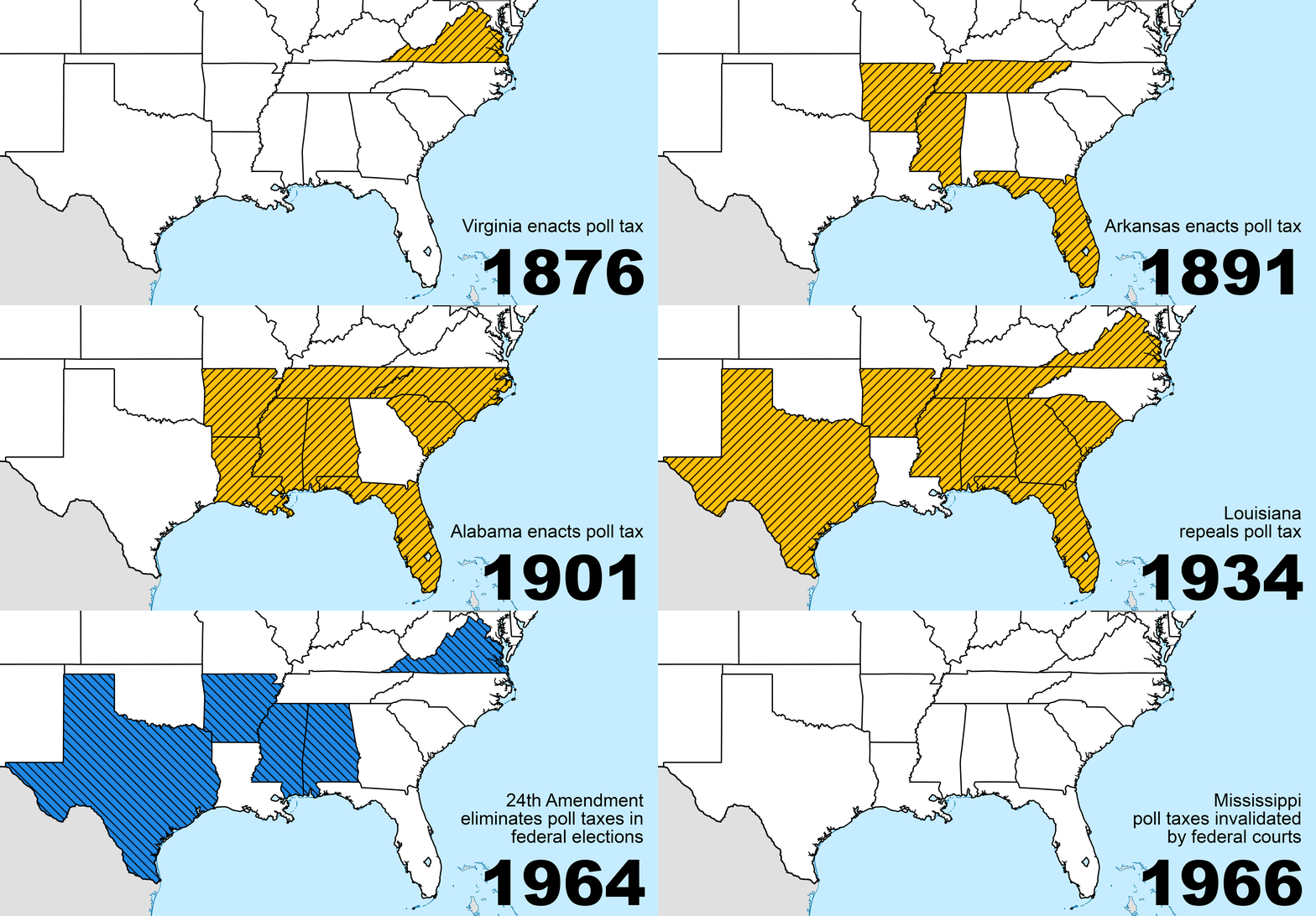
North Carolina tax amendments are set to make significant changes this November. A ‘Yes’ vote on these amendments could reshape the state’s financial landscape.
Understanding the North Carolina Tax Amendments
The recent North Carolina tax amendments have sparked considerable debate among voters as they prepare for the upcoming election on November 3. These amendments aim to enhance the state’s tax system, potentially influencing both residents and businesses alike.
Understanding the North Carolina tax amendments requires examining several key changes proposed. Voters will need to consider how these alterations might affect their personal finances and the overall economy.
- Increased standard deductions: This change is expected to benefit many taxpayers by lowering the taxable income.
- Corporate tax rate adjustments: Proposed changes to the corporate tax rate could encourage business investment in the state.
- Tax credits for low-income families: Aimed at providing relief to those who need it the most.
As the election approaches, voters must weigh the benefits and drawbacks of these North Carolina tax amendments to make informed decisions.
What Changes Will a ‘Yes’ Vote Bring?
A ‘Yes’ vote on the North Carolina tax amendments could usher in significant changes for residents. If passed, the amendments aim to simplify the tax code and provide relief to individuals and businesses alike. Here are some potential impacts:
- Reduced Tax Rates: The amendments propose lower income tax rates, which could lead to increased disposable income for many citizens.
- Expanded Tax Credits: Certain tax credits may be broadened, benefiting families and small businesses.
- Increased Transparency: The amendments are expected to enhance transparency in the tax collection process, making it easier for taxpayers to understand their obligations.
- Economic Growth: By encouraging investment through tax incentives, the amendments aim to stimulate job creation and economic development.
Overall, a ‘Yes’ vote on the North Carolina tax amendments could bring about transformative changes for the state’s economy and its residents.
Impact on Personal Finance in North Carolina
The recent North Carolina tax amendments could significantly impact personal finance for residents across the state. As voters head to the polls, understanding the potential changes is crucial for making informed decisions.
Among the proposed amendments, several key aspects could alter the financial landscape:
- Income Tax Adjustments: A potential reduction in income tax rates may increase disposable income for individuals and families.
- Property Tax Implications: Changes in property tax assessments could affect homeowners, either relieving or increasing their financial burden.
- Business Tax Incentives: New incentives for businesses might spur economic growth, which could lead to job creation and higher wages.
These North Carolina tax amendments could redefine how residents manage their finances, making it essential to weigh the benefits against potential drawbacks before casting a vote.
Key Dates for the November Elections
As North Carolina approaches the November elections, several key dates are crucial for voters interested in the tax amendments. The election day falls on November 3, when citizens will have the opportunity to cast their votes on the proposed changes.
Early voting begins on October 14 and runs through October 31, offering residents a chance to engage with the voting process ahead of the official date. During this period, voters can familiarize themselves with the North Carolina tax amendments and their implications.
Additionally, it is important for voters to ensure their registration is up to date by September 8, which is the deadline for registration by mail. This timeline will allow voters to be fully prepared to make informed decisions regarding the changes that could impact their financial futures.
Engagement and awareness in these upcoming weeks are essential for making the most of the potential amendments.
Expert Opinions on the Amendments
Experts have weighed in on the North Carolina tax amendments, highlighting the potential benefits and drawbacks of the proposed changes. According to Dr. Emily Carter, an economist at the University of North Carolina, “These amendments could streamline the tax process, making it easier for residents to understand their obligations.”
However, James Thompson, a tax policy analyst, warns that “While simplification is desirable, there may be unforeseen consequences that could impact low-income families disproportionately.”
Many agree that a ‘Yes’ vote could lead to significant shifts in how tax revenue is allocated, with economic growth being a central theme. A survey conducted by the North Carolina Tax Foundation found that over 65% of respondents favor these amendments, believing they will enhance transparency and fairness in the tax system.
As the elections draw near, public discourse continues to shape opinions on the North Carolina tax amendments.
How to Prepare for the Vote
As North Carolina residents gear up for the upcoming election, understanding how to prepare for the vote on the tax amendments is crucial. Here are some steps to ensure you are ready:
- Research the Amendments: Familiarize yourself with the specifics of the North Carolina tax amendments. Understanding their implications will help you make an informed decision.
- Check Registration: Ensure that your voter registration is up to date. You can verify your status online or through local election offices.
- Know Your Voting Options: Decide whether you will vote early, by mail, or on Election Day. Each method has different procedures and deadlines.
- Engage in Discussions: Talk to friends and family about their views on the tax amendments to gather diverse opinions and insights.
Being well-prepared will allow you to participate actively in shaping North Carolina’s tax future.
By GIF created by DanCherek Data compiled by SusunW Text in GIF by SusunW and Mike Christie Original map USA_location_map.svg by NordNordWest via Openverse