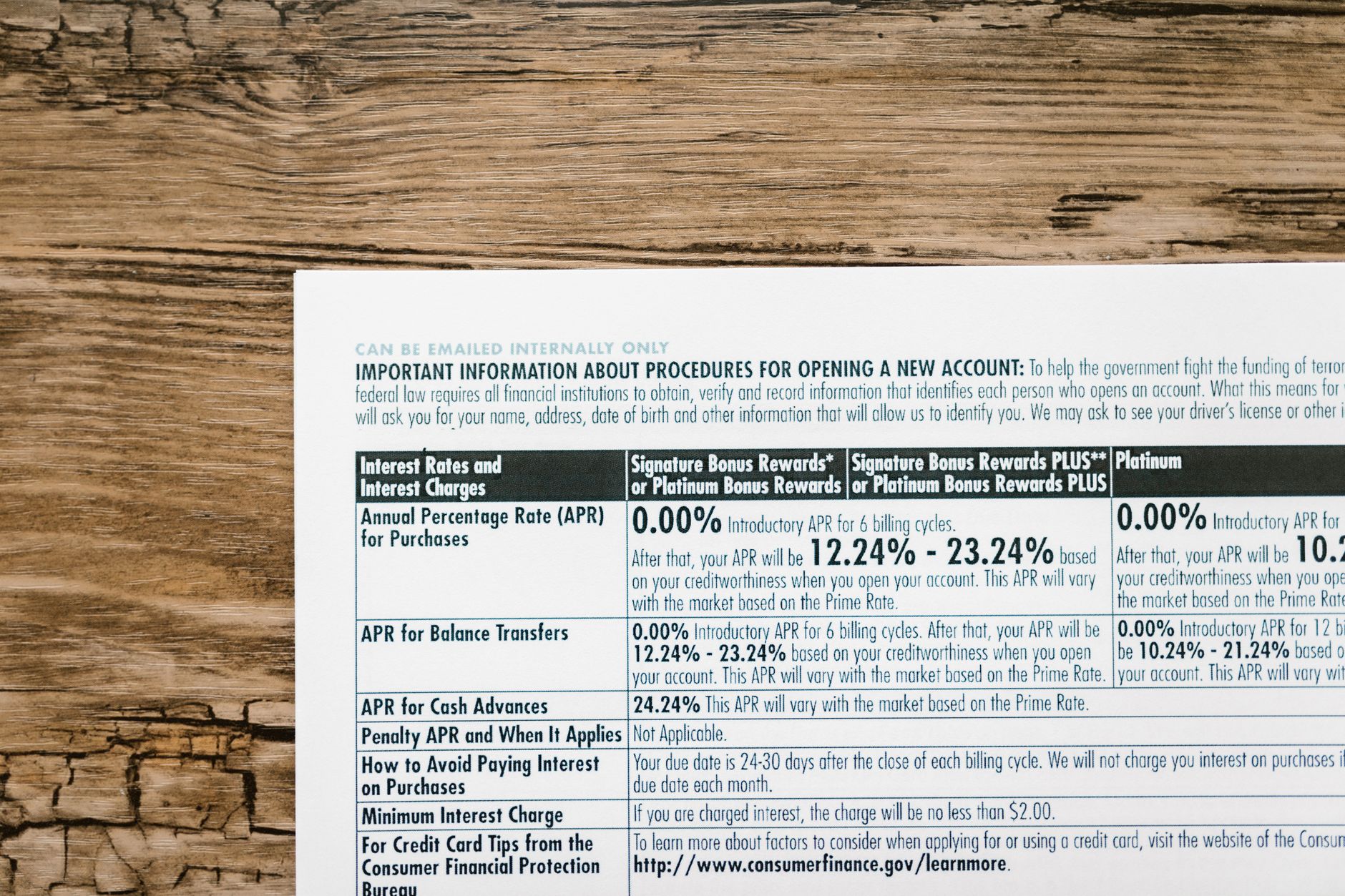
U.S. rate hikes are on the horizon as Goldman Sachs forecasts more increases. Investors need to prepare for potential changes in the market.
Understanding U.S. Rate Hikes
Understanding U.S. rate hikes is crucial for investors looking to navigate the changing economic landscape. Recently, Goldman Sachs has forecasted more U.S. rate hikes, a move that could significantly impact various sectors of the economy. As the Federal Reserve adjusts interest rates to combat inflation and promote economic stability, investors need to be aware of how these changes can affect their portfolios.
When interest rates rise, borrowing costs increase, which can slow down consumer spending and business investment. This scenario often leads to a cooling of economic growth. Therefore, it is essential for investors to adapt their strategies accordingly. Here are some key considerations:
- Diversification: Investors should consider diversifying their portfolios to mitigate risks associated with rate hikes.
- Fixed Income Investments: Higher interest rates can affect bond prices negatively, so evaluating fixed income investments is vital.
- Sector Rotation: Some sectors, like financials, may benefit from rising rates, while others, like utilities, might struggle.
- Focus on Quality: Investing in companies with strong balance sheets can provide a buffer against economic downturns.
By understanding U.S. rate hikes and their implications, investors can better position themselves for future market conditions.
Impact of Rate Hikes on Investments
The impact of U.S. rate hikes on investments can be significant, influencing various asset classes and investor strategies. When the Federal Reserve raises interest rates, it generally leads to higher borrowing costs, which can slow down economic growth. This slowdown may affect equities, particularly in sectors sensitive to consumer spending and borrowing.
Investors often react cautiously to rate hikes, leading to increased volatility in the stock market. Historically, sectors such as utilities and real estate tend to underperform during periods of rising interest rates, as their dividends become less attractive compared to fixed-income investments.
Conversely, financial institutions may benefit from higher rates, as they can charge more for loans relative to what they pay on deposits. This can make bank stocks a more appealing option during a rate hike cycle.
Another consideration for investors is the fixed-income market. As rates rise, bond prices typically fall, which can lead to capital losses for bondholders. To mitigate this risk, investors may consider shorter-duration bonds or floating-rate securities, which are less sensitive to rate changes.
In summary, navigating the complexities of U.S. rate hikes requires a thoughtful approach, assessing how different asset classes will respond and adjusting investment strategies accordingly.
Goldman Sachs Forecast Explained
Goldman Sachs has recently released a forecast indicating the potential for additional U.S. rate hikes in the coming months. This prediction comes as the Federal Reserve continues to grapple with inflationary pressures and strives to stabilize the economy.
The firm’s analysts suggest that the current economic indicators point towards a necessity for higher interest rates to curb inflation. They highlight several key factors influencing this decision:
- Inflation Rates: Persistent inflation above the Fed’s target remains a significant concern, prompting discussions around further rate hikes.
- Labor Market Strength: A robust job market supports the case for tightening monetary policy, as higher employment often correlates with increased consumer spending.
- Global Economic Factors: International economic trends and geopolitical tensions can also influence U.S. rate hikes, as the Fed looks to maintain global competitiveness.
In response to these forecasts, investors are advised to reassess their strategies. Adjusting portfolios to factor in rising rates could mitigate potential risks while identifying opportunities, particularly in sectors that historically perform well during tightening cycles. Understanding the implications of U.S. rate hikes is critical for making informed investment decisions in this shifting economic landscape.
Strategies for Navigating Rising Rates
As the U.S. rate hikes continue to shape the economic landscape, investors are seeking effective strategies to navigate these changes. Understanding how to adapt can be crucial in maintaining a robust investment portfolio amidst rising interest rates.
Here are some strategies that may help investors make informed decisions:
- Focus on Quality Stocks: Investing in companies with strong balance sheets and consistent cash flow can provide stability. These companies are often better positioned to weather economic fluctuations caused by rate hikes.
- Consider Shorter-Duration Bonds: With interest rates expected to rise, shorter-duration bonds may be less sensitive to rate changes compared to long-term bonds, reducing interest rate risk.
- Diversify Across Sectors: Sector performance can vary significantly during periods of rising rates. Diversifying investments across various sectors can mitigate risk.
- Utilize Real Assets: Investing in real estate or commodities can serve as a hedge against inflation, which can be exacerbated by rate hikes.
- Stay Informed: Keeping abreast of economic indicators and Federal Reserve communications can help investors anticipate changes and adjust their strategies accordingly.
By employing these strategies, investors can better position themselves in a landscape altered by ongoing U.S. rate hikes.
What Investors Should Know
As the Federal Reserve continues to navigate the economic landscape, understanding the implications of U.S. rate hikes becomes crucial for investors. The timing and frequency of these increases can significantly influence various asset classes, from equities to fixed income.
Investors should consider the following key points:
- Interest Rate Sensitivity: Different sectors react differently to rate hikes. For instance, financial stocks may benefit from higher rates, while utilities and real estate could face challenges.
- Bond Market Dynamics: Rising interest rates typically lead to declining bond prices. Investors holding long-term bonds may want to reassess their portfolios to mitigate potential losses.
- Diversification is Key: A well-diversified portfolio can help cushion against volatility. Consider including assets that historically perform well during periods of increasing rates.
- Stay Informed: Economic indicators, such as inflation and employment rates, provide insights into future rate hikes. Keeping abreast of these indicators can empower investors to make timely decisions.
In conclusion, as the likelihood of further U.S. rate hikes looms, adapting strategies accordingly will be essential for preserving capital and maximizing returns.
Future Economic Predictions
As the U.S. Federal Reserve continues to signal potential rate hikes, investors are keenly observing future economic predictions to adjust their strategies effectively. Analysts anticipate that the trajectory of these hikes will depend largely on inflation rates and employment figures, which remain critical indicators of economic health.
Predictions suggest that the Fed may implement several incremental rate hikes over the next year, with the aim of curbing inflation while maintaining economic stability. This could lead to:
- Increased borrowing costs: As rates rise, consumers may face higher costs for mortgages and loans, which could dampen spending.
- Stock market volatility: Investors may react to rate announcements, leading to fluctuations in stock prices.
- Sector rotation: Certain sectors, such as utilities and real estate, may underperform, while financials could benefit from rising rates.
In this environment, it is crucial for investors to remain informed about the implications of U.S. rate hikes. A proactive approach that includes diversifying portfolios and considering fixed-income investments may provide a buffer against potential market shifts.
Ultimately, staying ahead of economic predictions can empower investors to navigate the complexities of a changing financial landscape.
Photo by RDNE Stock project on Pexels