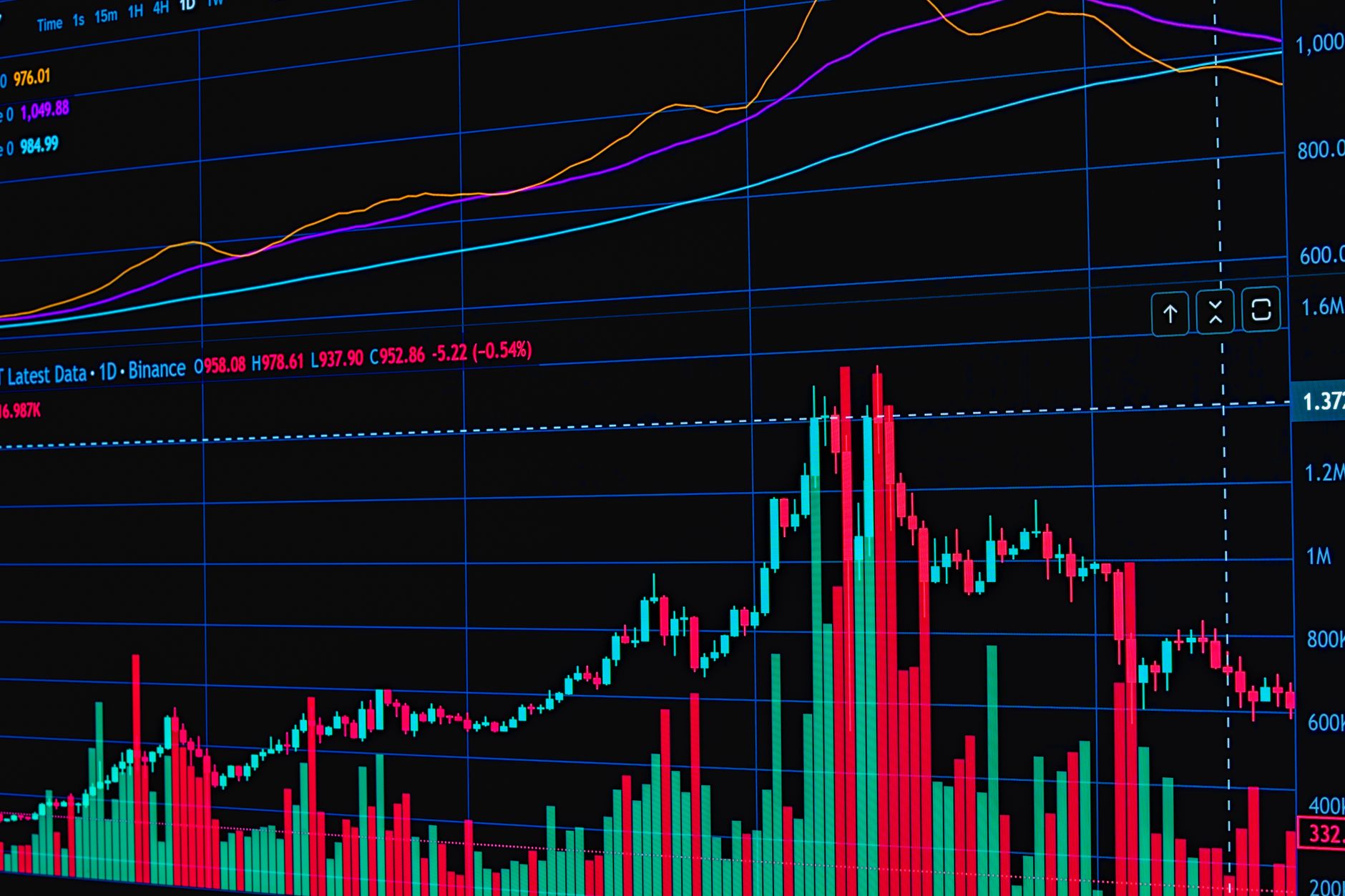
Sebi CAS changes are anticipated to bring clarity to the market landscape. Jefferies has commented on the proposed changes, highlighting their potential to alleviate uncertainty, but maintains a negative outlook on BSE.
Overview of Sebi CAS Changes
The recent Sebi CAS changes have sparked considerable discussion in the financial community, particularly regarding their potential impact on market sentiment. According to analysts at Jefferies, the proposed changes aim to eliminate existing uncertainties that have plagued the trading environment on the Bombay Stock Exchange (BSE). These adjustments are seen as a move towards increasing transparency and enhancing regulatory oversight, which could bolster investor confidence in the long run.
However, despite the positive aspects of the new regulations, Jefferies maintains a negative outlook on the BSE. They argue that while the removal of uncertainty is beneficial, it may not be sufficient to drive significant market improvements. The analysts highlighted several key points regarding the changes:
- Increased Transparency: The CAS changes are expected to provide clearer guidelines for market participants.
- Regulatory Oversight: Enhanced scrutiny may lead to better compliance and reduced market manipulation.
- Investor Confidence: While these changes could improve sentiment, the overall market conditions remain challenging.
In summary, while the Sebi CAS changes represent a step in the right direction, the broader implications for BSE sentiment may take time to materialize.
Jefferies’ Analysis of BSE
Jefferies recently conducted an analysis regarding the Sebi CAS changes and their potential effects on the sentiment surrounding the Bombay Stock Exchange (BSE). The firm acknowledges that while the proposed changes by Sebi aim to eliminate uncertainty in the market, they maintain a cautious outlook on the BSE.
According to the report, the proposed changes are likely to introduce a more transparent framework that could benefit market participants in the long run. This increased clarity may enhance investor confidence, allowing for a more stable trading environment. However, Jefferies points out several concerns that continue to cloud their overall perspective on BSE.
- Market Sentiment: The overall market sentiment remains fragile, which can hinder any positive impacts from the changes.
- Regulatory Challenges: Ongoing regulatory challenges could pose risks to BSE’s growth and operational efficiency.
- Global Factors: External economic factors may also play a critical role in influencing BSE performance.
Despite the optimistic outlook associated with the Sebi CAS changes, Jefferies believes that these underlying issues will continue to weigh heavily on the sentiment towards BSE in the near term.
Impact on Market Sentiment
The recent Sebi CAS changes have sparked considerable discussion among market analysts regarding their potential impact on BSE sentiment. While Jefferies acknowledges that these proposed changes aim to eliminate uncertainty in the market, they maintain a cautious outlook on the BSE’s performance.
Market sentiment plays a crucial role in stock performance, and the adjustments made by Sebi are perceived as a step towards increasing transparency. This could lead to a more stable environment for investors, fostering confidence in the market. However, Jefferies points out that despite the positive intentions behind the changes, the overall perception of BSE remains tepid.
Several factors contribute to this cautious sentiment:
- Regulatory Clarity: While the Sebi CAS changes may clarify certain regulations, the overall apprehension about the market’s future persists.
- Investor Behavior: Many investors are still hesitant, waiting to see how these changes will play out in practice before committing further capital.
- Market Volatility: Historical volatility in the BSE continues to weigh on investor confidence, overshadowing the positive aspects of the regulatory updates.
As the market adapts to the Sebi CAS changes, it remains to be seen how long the effects on sentiment will linger.
Potential Benefits of CAS Changes
The recent Sebi CAS changes have the potential to bring several benefits to the market, particularly for investors and stakeholders involved with the Bombay Stock Exchange (BSE). As Jefferies highlighted, these changes aim to eliminate uncertainties that have previously clouded trading operations and regulatory compliance.
Some potential benefits of these changes include:
- Increased Transparency: The new framework is expected to enhance transparency in transactions, making it easier for investors to understand the regulatory landscape.
- Improved Compliance: With clearer guidelines, companies may find it easier to adhere to compliance requirements, reducing the risk of penalties and fostering a more stable trading environment.
- Enhanced Investor Confidence: As uncertainties diminish, investor confidence may increase, encouraging higher participation in the BSE and potentially boosting trading volumes.
- Market Stability: The clarity provided by the CAS changes is anticipated to contribute to overall market stability, which can be beneficial during volatile trading periods.
Despite these positive aspects, Jefferies maintains a cautious outlook on the BSE, suggesting that while the Sebi CAS changes could foster a better environment, they may not be sufficient to overcome existing challenges facing the exchange.
Concerns Regarding BSE
Market participants are expressing concerns regarding the recent Sebi CAS changes, primarily due to their potential implications for the Bombay Stock Exchange (BSE). While these changes are aimed at enhancing transparency and efficiency, analysts remain skeptical about their overall impact on investor sentiment.
One of the primary worries is the uncertainty surrounding the implementation of the new rules. Although Jefferies has noted that the changes could remove some ambiguity in trading practices, they still maintain a negative outlook on BSE. This sentiment is echoed by several market analysts who believe that the transition might create temporary disruptions.
- The possibility of increased compliance costs for companies listed on BSE.
- Concerns about the readiness of market participants to adapt to the new guidelines.
- The potential for decreased liquidity in the short term as investors navigate these changes.
Moreover, there are fears that the investment climate might become less favorable, discouraging new investors from entering the market. As BSE grapples with these Sebi CAS changes, it remains to be seen how effectively the exchange can reassure stakeholders and restore confidence among investors.
Future Outlook for Investors
As investors analyze the implications of the recent Sebi CAS changes, the future outlook remains a topic of considerable discussion. While the modifications aim to bring clarity and reduce uncertainty surrounding regulatory frameworks, the sentiment towards BSE continues to be cautious.
Market analysts suggest that while the Sebi CAS changes may enhance transparency, investors should remain vigilant. The alterations could potentially lead to a more structured market environment, fostering investor confidence in the long term. However, Jefferies’ analysis indicates that despite these positives, a skeptical view on BSE persists.
Key considerations for investors include:
- Regulatory Environment: Continuous monitoring of how the Sebi CAS changes are implemented will be crucial.
- Market Reactions: The immediate response of investors to these changes may set the tone for future market movements.
- Investment Strategies: Adapting strategies to align with the evolving market landscape could mitigate risks.
While the Sebi CAS changes are positioned to foster growth and stability, investors must weigh the potential benefits against the ongoing concerns surrounding BSE. Staying informed and adaptable will be essential for navigating the evolving market conditions.
Photo by Nataliya Vaitkevich on Pexels
References
Related stories
NSE MSE fines Q1 FY27: What Went Wrong with Results? · Truth Social News: The Real Impact on DJT Stock Gains · Bitcoin Price Prediction: The Best Proven Insights for BTC