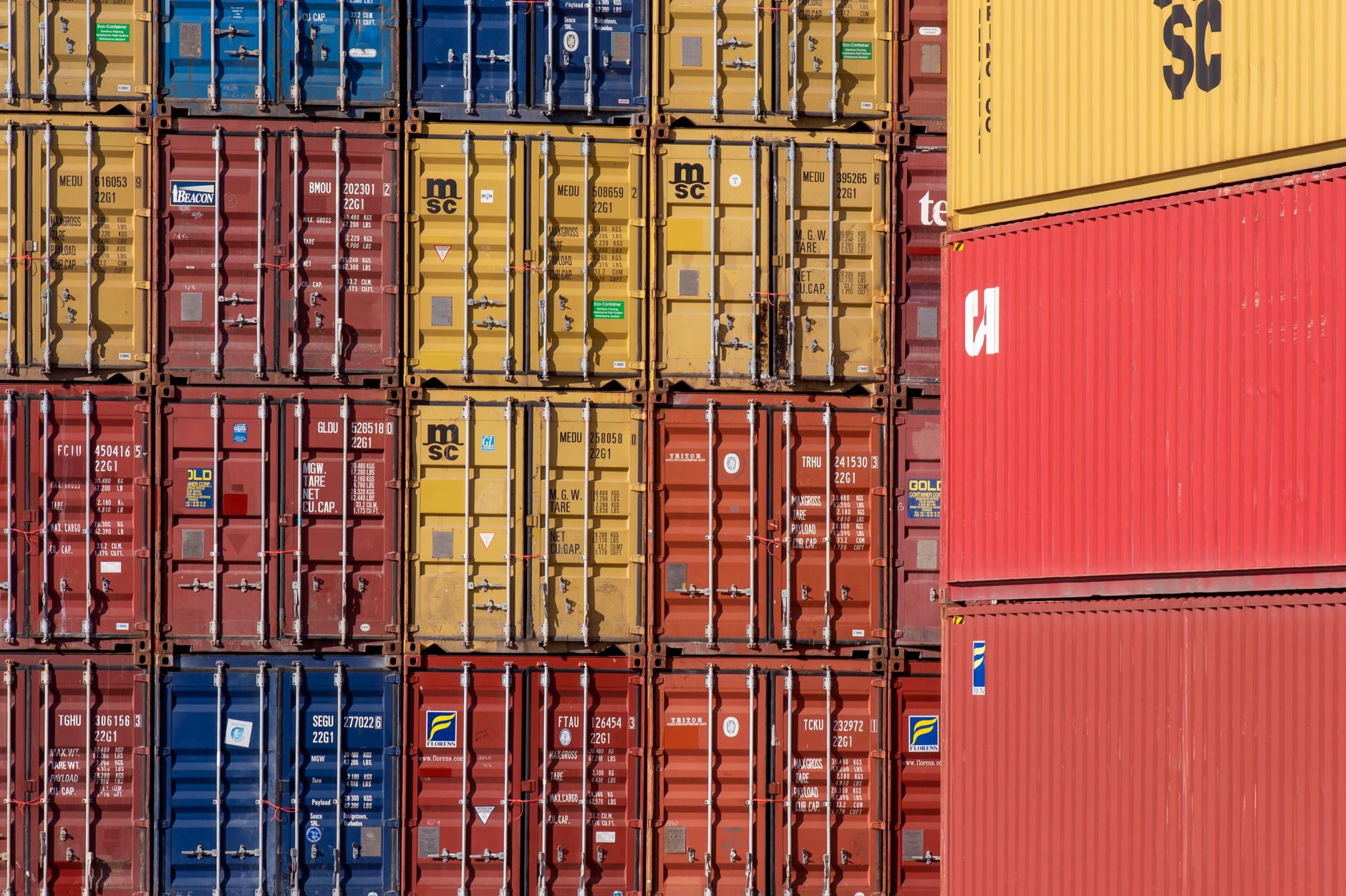
Nigerian trade partnership is being strengthened with DP World’s recent collaboration with TGI. This partnership aims to enhance logistics and improve trade efficiency in Nigeria.
Overview of the Partnership
The recent partnership between DP World and TGI marks a significant step forward in enhancing the Nigerian trade partnership landscape. This collaboration aims to improve logistical capabilities and streamline supply chains across the region. By leveraging DP World’s extensive experience in port operations and TGI’s local market knowledge, both companies are poised to drive economic growth and boost trade efficiency.
The partnership is designed to address key challenges faced by traders in Nigeria, including:
- Infrastructure Gaps: Enhancing port infrastructure to accommodate growing trade volumes.
- Logistical Efficiency: Implementing state-of-the-art technologies to reduce turnaround times.
- Market Access: Expanding access to international markets for Nigerian goods.
- Capacity Building: Training local personnel to manage advanced logistical operations.
With the Nigerian trade partnership at the forefront, stakeholders anticipate that this collaboration will not only elevate trade volumes but also foster job creation and stimulate economic development. As both companies work together, their combined efforts could establish a robust framework that supports sustainable growth in the Nigerian economy.
Impact on Nigerian Trade
The recent collaboration between DP World and TGI is set to significantly enhance the landscape of Nigerian trade. This partnership aims to streamline logistics and improve supply chain efficiencies, which are crucial for economic growth in Nigeria.
One of the primary impacts of this trade partnership is the potential for increased export capacity. With improved infrastructure and logistics solutions, Nigerian businesses can reach international markets more effectively. This is particularly important for sectors such as agriculture and manufacturing, which are key drivers of the economy.
Moreover, the partnership is expected to create job opportunities across various sectors. As trade activities expand, the demand for skilled labor and support services will rise, leading to economic empowerment for many Nigerians.
In addition to job creation, the Nigerian trade partnership is likely to attract foreign investment. Investors are generally more inclined to engage with markets that demonstrate robust logistics and support systems. This influx of capital can further stimulate economic development and innovation.
Overall, the collaboration between DP World and TGI represents a significant step forward in enhancing Nigeria’s trade capabilities, paving the way for sustained economic growth and development.
Benefits for Local Businesses
The recent Nigerian trade partnership has created numerous benefits for local businesses, enhancing their growth potential and market reach.
One of the key advantages is increased access to international markets. Through this partnership, local businesses can leverage the logistics and expertise of global players, making it easier to export products and expand their customer base.
- Improved Logistics: With enhanced supply chain solutions, local businesses can significantly reduce shipping times and costs. This improvement allows them to compete more effectively in both domestic and international markets.
- Greater Investment Opportunities: The collaboration attracts foreign investment, which can be channeled into infrastructure projects, technology transfer, and skill development, benefiting local enterprises.
- Access to Resources: Local companies can gain access to a wider range of resources, including advanced technology and best practices, which can lead to increased efficiency and innovation.
- Market Diversification: By engaging with international partners, Nigerian businesses can diversify their offerings, creating resilience against economic fluctuations.
Overall, the Nigerian trade partnership stands to provide local businesses with the tools and opportunities they need to thrive in a competitive global marketplace.
Logistics Innovations
Logistics innovations play a crucial role in enhancing the Nigerian trade partnership, driving efficiency and reducing costs for businesses. As global supply chains become increasingly complex, innovative logistics solutions are essential for improving trade flows.
One significant advancement is the integration of technology in logistics operations. Companies are implementing advanced tracking systems that provide real-time visibility of shipments, allowing businesses to respond quickly to any disruptions. This technology not only enhances transparency but also boosts customer confidence in the supply chain.
Moreover, the development of modern transportation infrastructure has been a game-changer. Investments in roads, ports, and warehouses are enabling smoother movement of goods across Nigeria. For instance, the partnership between DP World and TGI is focusing on improving port facilities, which is expected to streamline import and export activities significantly.
Additionally, local businesses are leveraging logistics innovations to optimize their supply chains. By adopting practices such as just-in-time inventory management, they can reduce holding costs and improve cash flow. This synergy between logistics and trade is essential for fostering growth and sustainability in the Nigerian trade partnership.
Overall, continuous improvements in logistics will play a pivotal role in strengthening Nigeria’s position in the global market.
Future Prospects
The future prospects of the Nigerian trade partnership appear promising, particularly as global economies move towards greater collaboration. Stakeholders are increasingly optimistic about the potential for expanded trade routes and enhanced logistics capabilities that can significantly benefit Nigeria’s economy.
One of the key factors driving this optimism is the commitment of major players like DP World, which has shown a strong interest in investing in Nigeria’s infrastructure. This investment is expected to pave the way for more efficient supply chains, thereby reducing costs for local businesses and increasing their competitiveness in international markets.
Furthermore, as technological advancements continue to reshape trade operations, Nigerian businesses stand to gain from adopting innovative practices. These include:
- Digital platforms that facilitate easier access to international markets.
- Automation in logistics processes that enhance efficiency.
- Training programs aimed at upskilling the workforce to meet global standards.
As these strategies take root, the Nigerian trade partnership is likely to foster an environment ripe for growth, allowing local businesses to thrive and contribute to a robust economy.
Challenges Ahead
Despite the promising developments in the Nigerian trade partnership, several challenges remain that could hinder progress and growth. Key issues that stakeholders must address include:
- Infrastructure Deficiencies: Many regions in Nigeria still lack adequate infrastructure, which hampers efficient transportation and logistics. Poor road networks and inadequate port facilities can lead to delays and increased costs.
- Regulatory Hurdles: Navigating the complex regulatory environment can be daunting for businesses. Frequent changes in trade policies and customs regulations can create uncertainty, making it difficult for companies to plan effectively.
- Corruption and Bureaucracy: Corruption remains a significant barrier to smooth trade operations. Bureaucratic processes can slow down transactions and discourage foreign investment in the Nigerian trade partnership.
- Security Concerns: Issues related to security, including piracy and violence in certain regions, pose risks to trade routes and can deter potential partners from engaging with Nigerian markets.
Addressing these challenges will be crucial for maximizing the potential of the Nigerian trade partnership and ensuring sustainable growth for all involved stakeholders.
Government Support
Government support plays a crucial role in enhancing the Nigerian trade partnership and creating an environment conducive for growth. Various initiatives have been introduced to bolster trade relationships and improve infrastructure, which are vital for facilitating smoother trade operations.
Key strategies employed by the government include:
- Investment in Infrastructure: The government is prioritizing the development of ports and transportation networks, essential for efficient logistics and trade activities.
- Trade Policies: Supportive trade policies have been initiated to encourage international partnerships, aiming to simplify regulations and reduce tariffs.
- Public-Private Partnerships: Collaborations between the government and private sector entities, like the partnership with TGI, enhance trade capabilities and foster innovation.
- Capacity Building: Programs aimed at equipping local businesses with the skills and knowledge necessary to engage in international trade are being expanded.
These efforts not only strengthen the Nigerian trade partnership but also empower local businesses to thrive in a competitive market. By leveraging government support, Nigeria is poised to unlock new opportunities and drive sustainable economic growth.
Conclusion
In conclusion, the evolving Nigerian trade partnership signifies a pivotal step towards enhancing the nation’s economic landscape. With strategic collaborations, such as the recent partnership between DP World and TGI, Nigeria is poised to leverage its geographic advantages and improve its logistical capabilities. These alliances not only facilitate smoother trade routes but also foster innovation among local businesses, allowing them to thrive in an increasingly competitive market.
The benefits of this partnership extend beyond mere financial gains. By streamlining supply chains and enhancing infrastructure, local businesses can reach wider markets, ultimately boosting employment and economic development. Moreover, the government’s support plays a crucial role in ensuring that these initiatives are sustainable and effective in the long term.
As we look to the future, it is essential for stakeholders to remain vigilant in addressing the challenges that may arise. Continuous investment in technology and training will be vital to maintaining the momentum gained through these partnerships. By prioritizing collaboration and innovation, Nigeria can solidify its position as a key player in global trade, paving the way for sustained growth and prosperity.
Sources
Related stories
Bitcoin price analysis: Is the Worst Reset Possible? · SRIT India IPO: Best Quick Insights on Subscription Status · RBI repo rate increase: The Real Impact on Banking