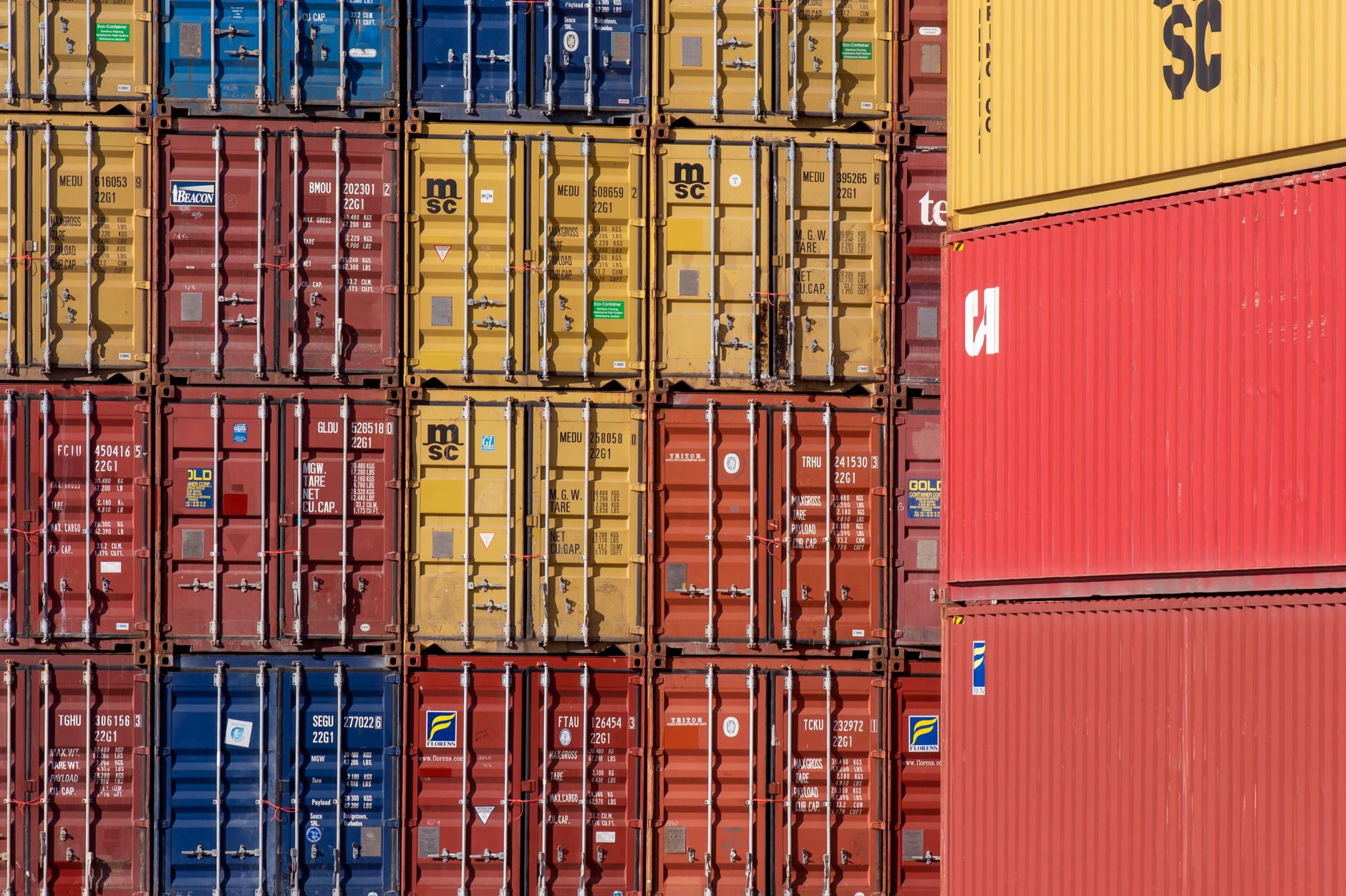
Container Freight Rates are currently holding steady amid regional shifts, presenting both challenges and opportunities for logistics companies. This stability is crucial for businesses navigating the complex supply chain landscape.
Current Trends in Freight Rates
Container freight rates have shown resilience in recent months, holding steady despite various regional shifts in demand and supply chains. Industry experts attribute this stability to several key factors:
- Increased Demand: As global trade continues to recover, there has been a surge in demand for container shipments, particularly in the Asia-Pacific region.
- Supply Chain Adjustments: Companies are adapting their supply chains to mitigate disruptions caused by previous pandemics, which has contributed to a more balanced freight rate environment.
- Shipping Capacity: The deployment of additional vessels in response to demand fluctuations has helped maintain equilibrium in container freight rates.
- Technological Integration: Advancements in logistics technology have allowed for more efficient routing and scheduling, further stabilizing costs.
As shippers and carriers navigate these changes, it is essential to monitor container freight rates closely to make informed decisions that can impact profitability and operational efficiency.
Impact of Regional Shifts on Logistics
The impact of regional shifts on logistics cannot be understated, particularly as container freight rates continue to fluctuate. Multiple factors contribute to these shifts, including trade agreements, geopolitical tensions, and infrastructure developments.
As countries adjust their trade policies, logistics providers must adapt swiftly to maintain efficiency and competitiveness. For instance, emerging markets are increasingly becoming vital hubs for shipping routes, prompting established players to rethink their strategies.
Key considerations for logistics companies include:
- Market Analysis: Regular assessment of regional demand can help in forecasting container freight rates.
- Partnerships: Collaborating with local suppliers and carriers can enhance service reliability.
- Technology Adoption: Utilizing advanced tracking and data analytics can improve supply chain transparency.
In conclusion, understanding how regional shifts affect container freight rates is essential for companies aiming to optimize their logistics operations in an ever-evolving landscape.
How to Navigate Container Freight Rates
Navigating container freight rates can be challenging, especially in a fluctuating market. However, understanding key strategies can greatly enhance efficiency and cost-effectiveness in logistics. Here are some proven methods:
- Monitor Market Trends: Keeping an eye on current trends in freight rates is essential. Utilize online tools and resources to track changes in pricing.
- Negotiate Contracts: Establish long-term relationships with carriers and negotiate contracts to secure favorable rates. This can help mitigate unexpected increases.
- Consolidate Shipments: Combining smaller shipments into larger ones can lead to significant savings on container freight rates.
- Leverage Technology: Invest in logistics software that provides real-time data and analytics to make informed decisions regarding shipping routes and costs.
- Flexibility: Being flexible with shipping dates and routes can often lead to lower freight costs, as demand fluctuates.
By implementing these strategies, businesses can better navigate the complexities of container freight rates and improve their overall shipping efficiency.
Future Predictions for Shipping Costs
As the global economy continues to evolve, future predictions for shipping costs, particularly container freight rates, are becoming increasingly important for businesses. Experts anticipate several factors that may influence these rates in the coming years.
- Technological Advancements: Innovations in shipping technology and logistics are expected to streamline operations, potentially lowering costs.
- Environmental Regulations: Stricter regulations aimed at reducing emissions may lead to higher operational expenses, thereby affecting freight rates.
- Geopolitical Uncertainties: Ongoing conflicts and trade tensions can disrupt supply chains and lead to increased shipping costs.
- Market Demand: Fluctuations in consumer demand will continue to play a crucial role in determining container freight rates.
In summary, while the future of shipping costs remains uncertain, staying informed about these trends will be essential for businesses looking to navigate the complexities of container freight rates effectively.
Understanding the Freight Market Dynamics
The freight market dynamics are influenced by various factors that shape container freight rates. Understanding these elements is crucial for logistics companies and shippers alike. Key factors include:
- Supply and Demand: The balance between available shipping capacity and the demand for goods significantly impacts freight rates. An increase in demand often leads to higher rates.
- Global Economic Conditions: Economic growth or contraction in major markets can affect shipping volumes, thus influencing container freight rates.
- Fuel Prices: Fluctuations in fuel costs directly affect operational expenses for shipping companies, which can be passed on to shippers through increased rates.
- Regulatory Changes: New policies, such as environmental regulations, can impact shipping operations and costs, consequently affecting freight rates.
By keeping an eye on these dynamics, stakeholders can better anticipate changes in container freight rates and make informed decisions in their logistics strategies.
Photo by Jan van der Wolf on Pexels
Sources
Related reading
IPO Subscription News: Best Opportunities to Invest Now · Metal Sky Star Acquisition Corp: The Worst SPAC Shutdown · US Market Prediction: Smart Insights for Today’s Trends