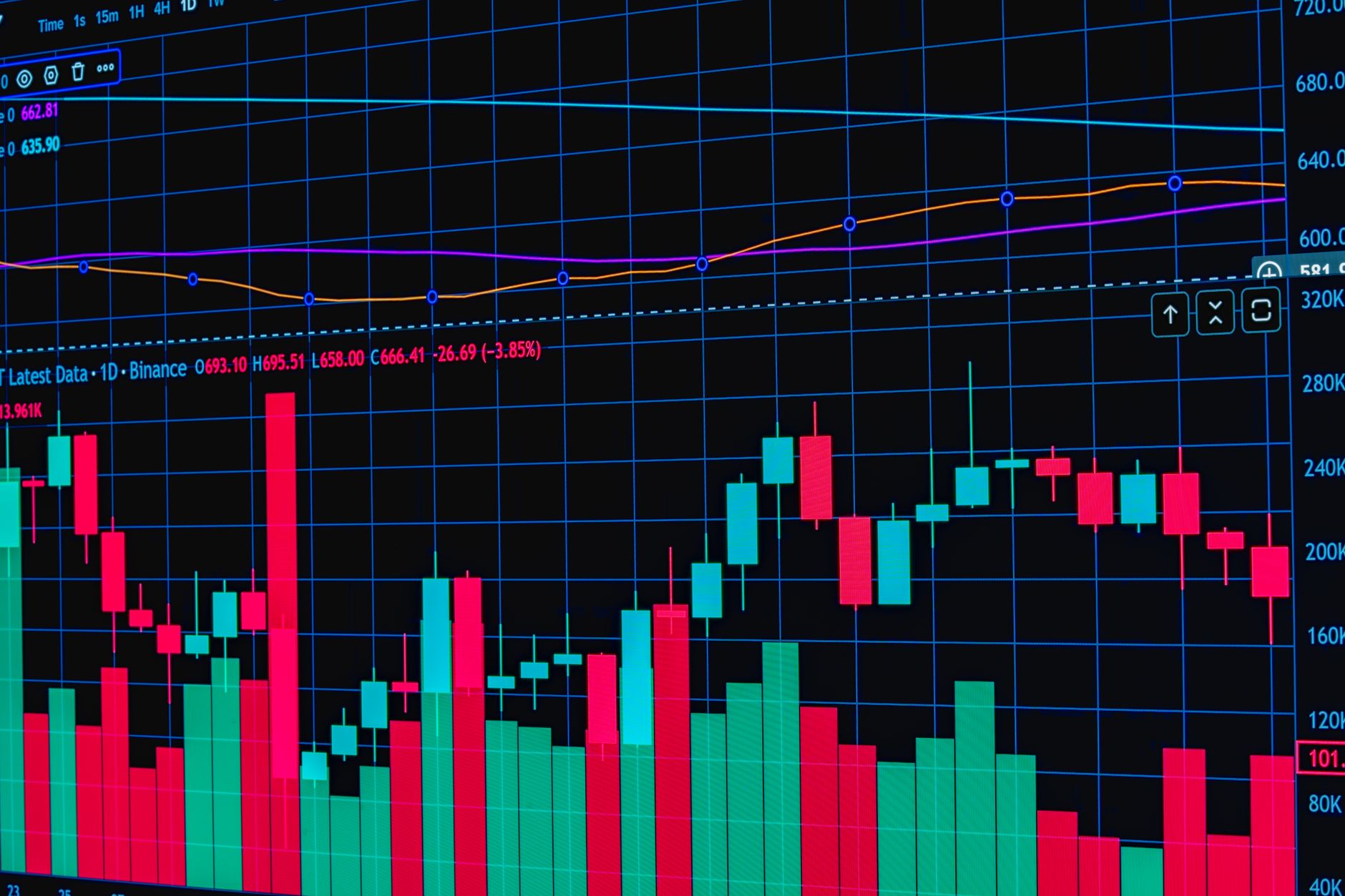
Sensex 33-month low has raised concerns among investors as FPI selling intensifies, leading to significant market fluctuations. This downturn reflects broader economic challenges and investor sentiments.
Understanding the Sensex Decline
The recent plunge of the Sensex to a 33-month low has raised significant concerns among investors and market analysts alike. As foreign portfolio investors (FPIs) ramp up their selling activities, the implications for the broader market are becoming increasingly evident.
Several factors are contributing to this notable decline:
- Economic Indicators: Recent economic data has shown a slowdown in growth, prompting fears of a recession.
- Global Market Trends: International markets are facing uncertainty, especially with fluctuating interest rates and geopolitical tensions.
- Inflationary Pressures: Rising inflation continues to erode purchasing power, affecting consumer spending and business investments.
- Regulatory Changes: New policies and regulations may be impacting investor sentiment, leading to a more cautious approach.
The combination of these factors has created a challenging environment for investors, leading many to reassess their positions in the market. The sense of instability is palpable, as stakeholders seek to navigate this tumultuous landscape.
As the Sensex remains at a 33-month low, analysts call for a careful evaluation of market trends and potential recovery strategies. Understanding the underlying causes of this decline is crucial for making informed investment decisions moving forward.
Factors Behind FPI Selling
The recent downturn in the Sensex, which has now reached a 33-month low, can be attributed to several key factors influencing Foreign Portfolio Investors (FPI) in the market. Understanding these dynamics is crucial for grasping the broader implications of this decline.
- Global Economic Uncertainty: A slowdown in global economic growth, coupled with rising interest rates in major economies, has led to a cautious approach among FPIs. Investors are reallocating their assets to mitigate risks associated with fluctuating markets.
- Geopolitical Tensions: Ongoing geopolitical issues, including trade disputes and conflicts in various regions, have contributed to a lack of confidence in emerging markets, prompting FPIs to pull back.
- Domestic Economic Factors: Concerns regarding India’s economic recovery, inflation rates, and fiscal policies have also played a significant role. The uncertainty surrounding government policy measures can create volatility, making investments less attractive.
- Valuation Concerns: Many analysts believe that the current valuations of Indian stocks may not justify the risks, leading FPIs to withdraw funds and seek safer investment avenues.
As FPI selling intensifies, the implications for the Sensex and the overall market trend become increasingly pronounced, highlighting the interconnectedness of global and domestic economic factors.
Market Reactions to Economic Data
The recent decline in the Sensex to a 33-month low has triggered significant reactions from various market participants. Investors and analysts are closely monitoring the ongoing economic data to gauge the overall health of the market and its potential recovery.
Many traders expressed concern over the implications of the falling index, particularly in light of intensified foreign portfolio investment (FPI) selling. The data released on industrial production and inflation has further complicated the situation, leading to heightened volatility.
- Market Sentiment: A predominant sentiment among investors is one of caution. With the Sensex at a 33-month low, many are reevaluating their positions and considering a more defensive investment strategy.
- Sector Performance: Certain sectors have been more resilient, with technology and pharmaceuticals showing signs of stability. However, the overall market remains under pressure as economic indicators continue to paint a challenging picture.
- Investor Strategies: Analysts recommend diversifying portfolios and focusing on fundamentally strong stocks that can weather economic downturns.
As the market reacts to the unfolding economic landscape, experts urge investors to stay informed and remain vigilant. The situation remains fluid, and the coming weeks will be critical in determining whether the Sensex can rebound from this 33-month low.
Future Outlook for Sensex
The recent decline of the Sensex to a 33-month low has raised concerns among investors about the future trajectory of the Indian stock market. Analysts are keenly observing the market dynamics to gauge potential recovery signals. The current economic environment, characterized by rising inflation and fluctuating global cues, plays a crucial role in shaping market expectations.
As experts analyze the situation, several key factors are likely to influence the Sensex in the coming months:
- Global Economic Conditions: The performance of international markets and economic data from major economies can significantly impact investor sentiment in India.
- Monetary Policy Changes: Decisions made by the Reserve Bank of India regarding interest rates will be critical in determining market liquidity and investment flows.
- Corporate Earnings: Upcoming quarterly results will provide insights into the health of companies and their ability to withstand economic pressures, which could affect stock prices.
- Geopolitical Stability: Any changes in geopolitical situations may lead to volatility in the markets, influencing investor confidence.
It is essential for investors to stay informed and consider diversifying their portfolios in light of the current market conditions. The Sensex at a 33-month low serves as a reminder of the inherent risks in stock market investments, necessitating cautious optimism as they navigate future trends.
Investor Strategies During Downturns
As the Sensex reaches a 33-month low, investors are faced with the challenge of navigating a turbulent market. Adopting effective strategies during downturns is crucial for preserving capital and potentially capitalizing on future rebounds. Here are some approaches that investors might consider:
- Diversification: Spreading investments across various sectors can help mitigate risks. By not putting all your eggs in one basket, you can safeguard against severe losses in a particular industry.
- Focus on Quality: Investing in fundamentally strong companies with solid balance sheets and consistent earnings can provide stability. These companies are often better equipped to withstand market volatility.
- Long-term Perspective: During downturns, it is essential to maintain a long-term view. History shows that markets tend to recover over time, and patient investors may benefit from eventual rebounds.
- Cost Averaging: Implementing a systematic investment plan can help investors buy more shares when prices are low. This strategy reduces the average cost per share and can enhance returns when the market rebounds.
- Stay Informed: Keeping abreast of market trends and economic indicators can aid in making informed decisions. Awareness of global and domestic factors influencing the market is vital.
In a climate where the Sensex sits at a 33-month low, these strategies can help investors navigate uncertainty while positioning themselves for future growth.
The recent Sensex 33-month low has raised concerns among investors about the overall health of the economy. Analysts suggest that this Sensex 33-month low could signal a shift in market trends that may affect investment strategies moving forward.
Photo by Towfiqu barbhuiya on Pexels
Where this came from
Vedanta shares fall: Worst drop before dividend meeting · Capital Gains Tax Hike: The Worst Impact on Start-Ups · Best jewellery stock: Which is the Smart Choice After Q2?