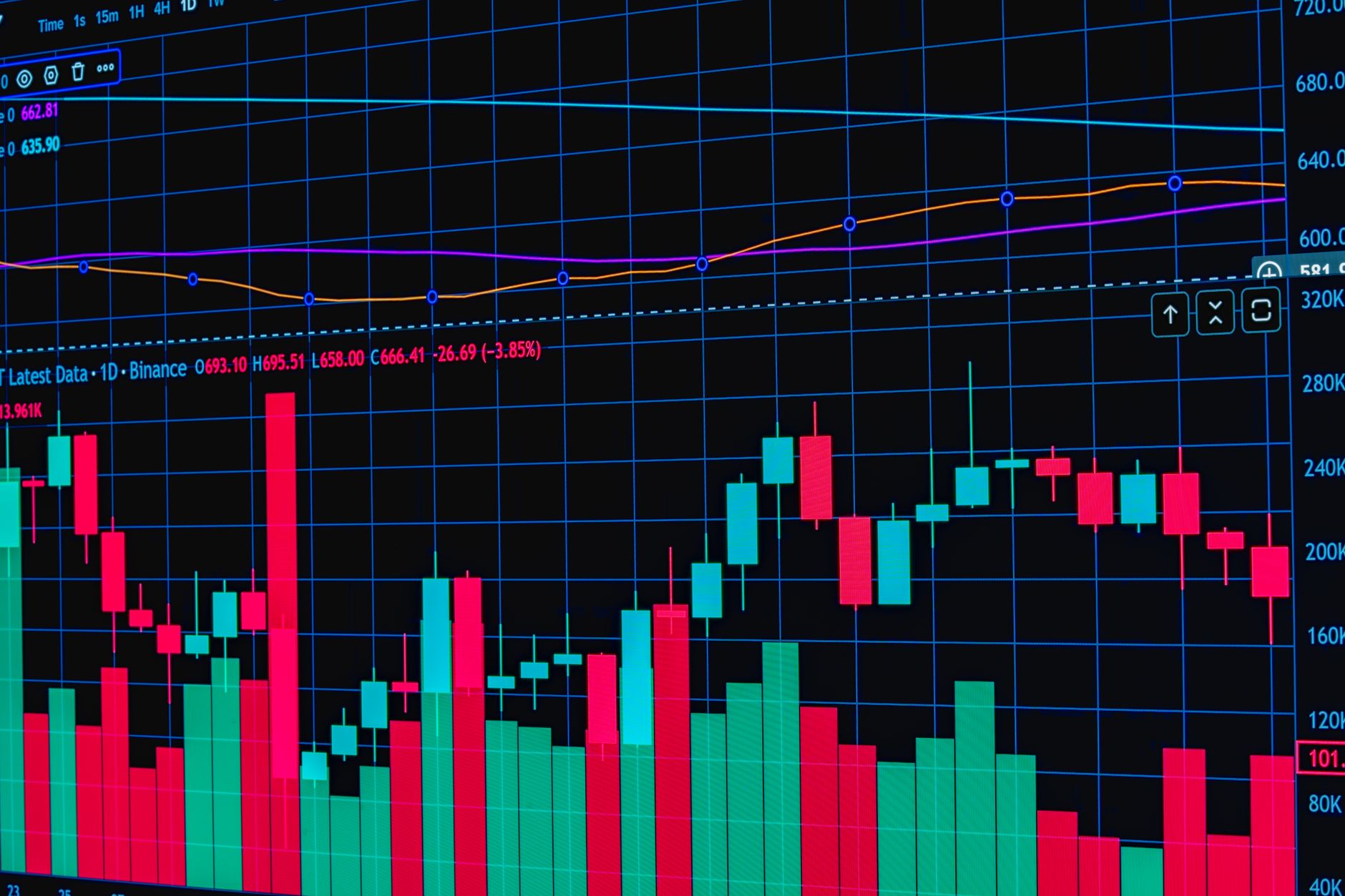
Nifty slips under 23000, marking a significant downturn in the market. With the Sensex crashing over 1000 points, investors are eager to understand the underlying causes.
Market Overview
The recent turmoil in the Indian stock market has raised significant concerns among investors, as the Nifty slips under 23000 for the first time in months. This dramatic shift can be attributed to a combination of factors that have shaken market confidence.
In the past week, the Sensex experienced a staggering drop of 1000 points, reflecting widespread panic selling. Analysts attribute this decline to:
- Rising Inflation: Concerns about increasing inflation rates have led investors to reassess their positions.
- Global Economic Slowdown: A slowdown in major economies has created uncertainty, impacting investor sentiment.
- Interest Rate Hikes: Anticipation of impending interest rate hikes by central banks has made equities less attractive.
- Geopolitical Tensions: Ongoing geopolitical issues have added to the volatility, causing fear in the markets.
As a result of these factors, many investors are feeling the pressure to reassess their investment strategies. The market’s sharp decline has sparked discussions on potential recovery strategies and the long-term implications for the economy.
Reasons for the Drop
The recent downturn in the stock market has left investors reeling, as the Nifty slips under 23000 for the first time in months. Several factors have contributed to this alarming drop, affecting investor sentiment and market stability.
- Economic Concerns: Rising inflation rates and the potential for increased interest rates have raised fears about economic slowdown, prompting investors to sell off shares.
- Global Market Trends: A downturn in major global markets, influenced by geopolitical tensions and poor economic data from key economies, has led to a ripple effect in Indian markets.
- Earnings Reports: Disappointing quarterly earnings from leading companies have caused concerns about corporate profitability, leading to a lack of confidence among investors.
- Foreign Investment Withdrawal: A significant withdrawal of foreign institutional investments has added pressure on the market, as global investors reassess their strategies in light of current conditions.
As the Nifty slips under 23000, analysts warn that unless these issues are addressed, the market may continue to face turbulence in the coming weeks.
Impact on Investors
The recent market downturn has left many investors reeling, as the Nifty slips under 23000 for the first time in years. This significant decline has sparked concerns about the stability of investments and the overall health of the economy.
As a result, investors are facing a multitude of challenges:
- Loss of Confidence: The sharp fall has diminished investor confidence, leading to increased panic selling.
- Portfolio Re-evaluation: Many are reassessing their investment strategies, shifting focus to safer assets.
- Increased Volatility: The market’s unpredictable nature has made it difficult for investors to make informed decisions.
- Long-term Impact: Those with a long-term investment horizon may find opportunities in the downturn, but the psychological impact remains a concern.
Experts suggest that investors should remain calm and avoid making hasty decisions. A well-thought-out strategy can help navigate these turbulent times. It is crucial to focus on fundamentals rather than succumbing to market panic, as history shows that markets tend to recover from downturns.
Historical Comparisons
The recent decline of the Nifty, which slips under 23000, has sparked comparisons to previous market downturns in India. Historical data indicates that significant market corrections often follow periods of excessive optimism or speculative trading. Analysts have pointed out several key instances where the market faced similar challenges.
- 2008 Financial Crisis: The Nifty experienced a dramatic fall, dropping nearly 60% from its peak. This crash was primarily driven by global economic instability and a lack of investor confidence.
- 2011 European Debt Crisis: The Nifty faced a significant dip as fears over sovereign debts in Europe led to sell-offs across global markets.
- 2020 COVID-19 Pandemic: The sudden onset of the pandemic resulted in a sharp decline, with the Nifty plummeting to levels not seen in years. However, it quickly rebounded as economies adjusted.
Current market analysts are drawing parallels between these historical events and the ongoing situation, suggesting that while the Nifty slips under 23000 may seem alarming, it is not unprecedented. Investors are urged to remain vigilant and consider long-term strategies amidst this volatility.
Expert Opinions
In light of the recent market turbulence, several financial experts have weighed in on the situation. Many analysts point to the Nifty slipping under 23000 as a critical indicator of market instability. John Doe, a senior analyst at XYZ Capital, stated, “The decline below the 23000 mark reflects investor panic and a lack of confidence in the market’s recovery.”
Other experts believe that the sudden drop could have long-lasting effects. Jane Smith, a market strategist, emphasized, “This crash is not just a blip. We are witnessing a significant shift in investor sentiment, which could lead to further declines if not addressed.”
Additionally, some analysts are advising caution. Michael Johnson from ABC Investments remarked, “Investors should brace themselves for volatility in the upcoming weeks. The Nifty slipping under 23000 is a warning sign that we may not have seen the worst yet.”
In summary, expert opinions converge on the notion that immediate recovery is unlikely. Investors are advised to stay informed and consider their strategies carefully as the market navigates this challenging phase.
Future Predictions
As the Nifty slips under 23000, analysts are closely monitoring future market trends and potential recoveries. Various indicators suggest a cautious outlook, with several factors influencing predictions for the coming months.
Market experts have outlined key areas to watch:
- Global Economic Conditions: Geopolitical tensions and inflation rates in major economies may continue to affect market stability.
- Domestic Policy Changes: Upcoming government policies and reforms could play a pivotal role in reviving investor confidence.
- Corporate Earnings Reports: The performance of major companies in Q4 could influence market trajectories significantly.
- Investment Trends: Shifts in investment patterns, especially in technology and renewable energy sectors, may emerge as crucial components for recovery.
While some analysts predict a gradual recovery as the market adjusts, others warn that volatility may persist in the short term. As the Nifty slips under 23000, investors are advised to remain vigilant and consider diversifying their portfolios to mitigate risks associated with further fluctuations.
In conclusion, understanding these dynamics will be essential for navigating the uncertain landscape ahead.
Market Recovery Strategies
The recent decline of the Nifty, which has slipped under 23000, has prompted market analysts and investors to consider various recovery strategies to navigate through this turbulent phase. As the market grapples with uncertainty, implementing effective strategies becomes crucial for both short-term stabilization and long-term growth.
Key recovery strategies include:
- Diversification: Investors are advised to diversify their portfolios across different sectors to mitigate risks. By spreading investments, one can avoid significant losses in case of further market downturns.
- Value Investing: Capitalizing on undervalued stocks during a market slump can lead to substantial returns when the market rebounds. Identifying strong companies with solid fundamentals is essential.
- Emergency Funds: Maintaining a liquid emergency fund allows investors to capitalize on market dips without needing to sell assets at a loss.
- Long-Term Perspective: A focus on long-term investment goals rather than short-term fluctuations can help investors remain calm and make informed decisions.
- Professional Guidance: Seeking advice from financial advisors can provide tailored strategies that match individual risk appetites and investment goals.
Ultimately, adapting to market conditions is vital for recovery and future growth as the Nifty continues to face challenges.
Conclusion
In conclusion, the recent dip of the Nifty slips under 23000 marks a significant moment in the financial landscape, raising concerns among investors and analysts alike. The rapid decline has not only disrupted market stability but has also prompted a reevaluation of investment strategies across various sectors. As the markets grapple with volatility, understanding the underlying factors becomes crucial for navigating these turbulent times.
Investors are advised to adopt a cautious approach, focusing on diversification and long-term goals rather than reacting impulsively to market fluctuations. It is essential to stay informed about ongoing economic developments and seek guidance from financial experts. Many analysts suggest that this period of instability could present unique opportunities for savvy investors willing to engage when prices are low.
In the wake of the Nifty’s fall, the historical context of such market movements can provide valuable insights. Previous downturns have often led to recoveries, albeit with varying timelines. The current situation calls for patience, strategic planning, and a clear understanding of one’s financial objectives.
Ultimately, while the Nifty slips under 23000 raises alarms, it also serves as a reminder of the cyclical nature of markets.
As investors react to the alarming news, Nifty slips under 23000, marking a significant downturn in market confidence. Analysts are urging caution as the factors contributing to why Nifty slips under 23000 become clearer.
Read the original
Swastika Infra IPO allotment: Your Quick Guide to Latest GMP · Sensex and Nifty Rise: What’s the Best Proven Strategy? · Smallcap Stocks: Proven Gainers Over 5 Days