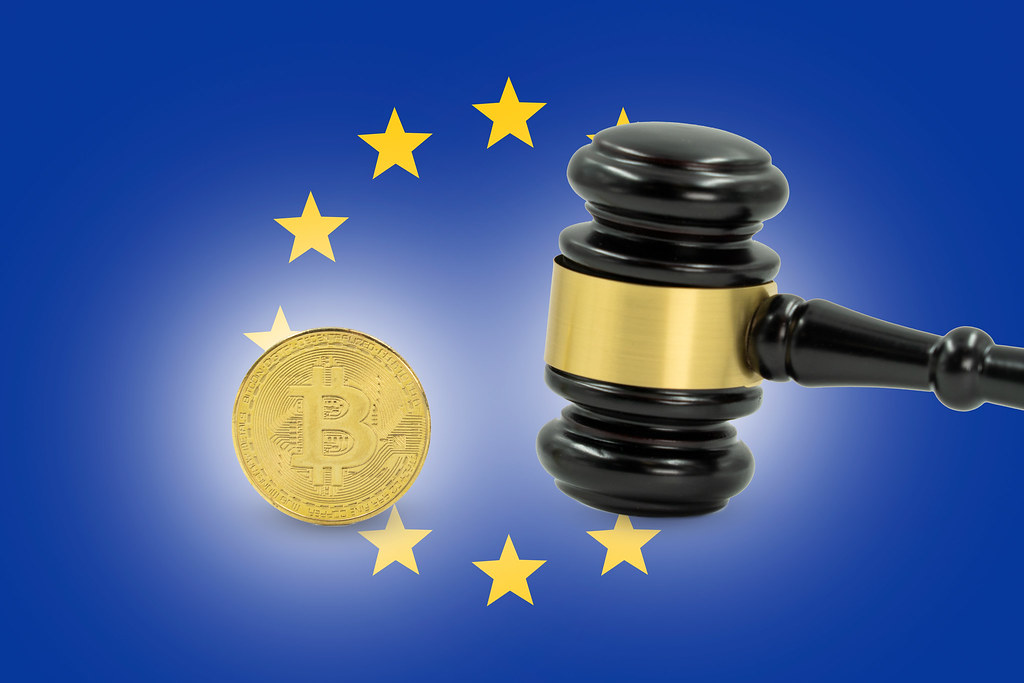
crypto regulation Europe is a topic that highlights important lessons for Washington. As the U.S. navigates its own regulatory landscape, looking to Europe could provide beneficial insights.
Understanding Europe’s Crypto Framework
Europe’s approach to crypto regulation has become a model for other regions, particularly the United States. The European Union has made significant strides in creating a comprehensive framework that balances innovation with consumer protection. This regulatory landscape is designed to ensure that cryptocurrencies operate within a safe and transparent environment.
Key components of Europe’s crypto framework include:
- MiCA Regulation: The Markets in Crypto-Assets (MiCA) regulation aims to provide legal clarity and protect investors while fostering innovation.
- Licensing Requirements: Crypto firms must obtain licenses to operate, ensuring compliance with strict standards.
- Consumer Protections: Regulations focus on safeguarding consumers against fraud and market manipulation.
- Tax Guidelines: Clear tax regulations help streamline the integration of crypto assets into the broader financial system.
By studying Europe’s regulatory framework, Washington could adopt strategies that promote a secure yet dynamic crypto environment.
Key Differences in Regulation Approaches
As the debate over crypto regulation in Europe intensifies, several key differences emerge when compared to the regulatory landscape in Washington. These differences highlight diverse approaches that could inform future policy decisions in the United States.
- Regulatory Clarity: European regulators emphasize clear guidelines that foster innovation while ensuring consumer protection, unlike the often ambiguous regulations in the U.S.
- Proactive Engagement: European authorities actively engage with the crypto industry, seeking input and collaboration, which contrasts with the more reactive stance observed in Washington.
- Unified Framework: The European Union aims for a cohesive regulatory framework across member states, reducing fragmentation. In contrast, the U.S. faces a patchwork of state and federal regulations.
- Focus on Sustainability: European regulations increasingly prioritize sustainability, pushing for environmentally friendly practices in crypto mining and transactions.
These insights provide valuable lessons for U.S. policymakers navigating the complex world of digital assets.
The Benefits of Learning from Europe
As the global landscape of cryptocurrency evolves, crypto regulation in Europe offers valuable insights that Washington could benefit from. The European Union has established a comprehensive regulatory framework that has encouraged innovation while ensuring consumer protection. This balanced approach serves as a model for other regions.
Some key benefits of adopting lessons from Europe’s experience include:
- Enhanced Consumer Protection: Regulations in Europe prioritize user safety, reducing the risk of fraud and enhancing trust in cryptocurrency markets.
- Market Stability: A clear regulatory framework helps mitigate volatility, making the market more attractive for institutional investors.
- Encouragement of Innovation: By creating a supportive regulatory environment, Europe fosters technological advancements in the crypto space.
By understanding and implementing these strategies, Washington can create a more effective and secure framework for the burgeoning cryptocurrency industry.
Challenges Facing U.S. Regulators
The landscape of crypto regulation in Europe presents several challenges that U.S. regulators must navigate carefully. First, the rapid pace of technological innovation in the crypto space often outstrips regulatory frameworks, leading to a significant lag in appropriate responses.
Additionally, the varying degrees of regulatory clarity across different European nations can create confusion for businesses attempting to operate across borders. Some key challenges include:
- Inconsistent regulatory frameworks: Not all EU countries adopt the same standards, which complicates compliance for international firms.
- Market volatility: The unpredictable nature of cryptocurrencies poses risks that regulators must account for in their policies.
- Consumer protection: Ensuring that investors are safeguarded against fraud and scams is a paramount concern.
These challenges highlight the importance of a comprehensive approach to crypto regulation in Europe that U.S. regulators can learn from.
Future of Crypto Regulation in Washington
The future of crypto regulation in Washington appears to be at a crossroads, with increasing pressure to adopt a more cohesive approach. As the landscape of digital assets evolves, U.S. regulators would benefit greatly from examining Europe’s crypto regulation framework. By understanding the intricacies of European policies, Washington can develop a more robust system that addresses both innovation and consumer protection.
Key lessons include:
- Clear Guidelines: Europe’s structured regulations provide clarity for businesses and investors alike, fostering a healthier market environment.
- Adaptability: The European framework demonstrates a willingness to evolve with technological advancements and market trends.
- International Cooperation: Europe’s collaborative approach encourages cross-border dialogue, which is essential in a globalized financial landscape.
Incorporating these lessons into U.S. policies could pave the way for a balanced regulatory environment that encourages innovation while ensuring user safety in the rapidly changing world of crypto regulation in Europe.
As policymakers in Washington observe the landscape of crypto regulation Europe, they can glean valuable insights into effective governance frameworks. The proactive approach taken by European nations in crypto regulation Europe serves as a potential model for balancing innovation and consumer protection.
By CryptoWallet.com Images via Openverse
Sources
NRE FD Interest Rates: Best Banks Offering Proven 6.80% · Natco Pharma stock sees worst Q2 profit drop of 61% · Sweden tax case: Worst test of European rule of law