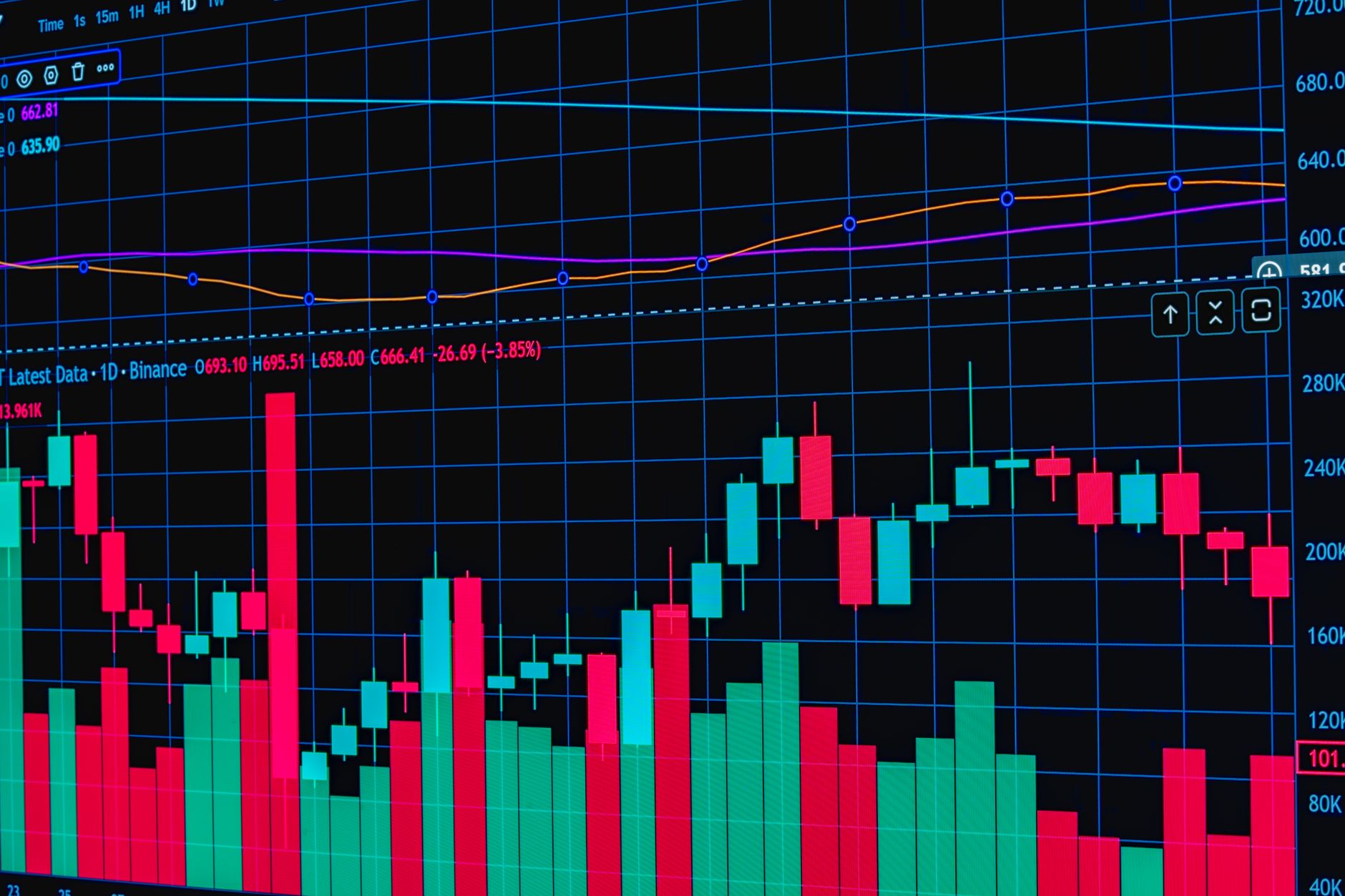
RBI rate hike dampens consumption stocks’ festive cheer, impacting investor sentiment and market performance. This change raises concerns about future consumption trends and economic growth.
Understanding the RBI Rate Hike
The recent RBI rate hike has sent ripples through the financial markets, particularly affecting consumption stocks. As the Reserve Bank of India (RBI) increases interest rates, the cost of borrowing rises, leading to significant implications for consumers and businesses alike.
Understanding the impact of the RBI rate hike involves recognizing how it influences consumer behavior. Higher interest rates typically result in:
- Increased loan costs: Consumers are likely to face higher EMIs on loans, making them more cautious with discretionary spending.
- Reduced purchasing power: With more income allocated to servicing debts, households may cut back on non-essential purchases, adversely affecting retail and consumer goods sectors.
- Slower economic growth: As consumption declines, businesses may experience lower sales volumes, which can further slow economic growth and lead to layoffs or reduced investments.
In light of these factors, analysts suggest that the RBI rate hike could dampen the festive cheer for consumption stocks, traditionally a strong performer during peak seasons. Investors are advised to monitor how companies adapt to these changes, as shifts in consumer sentiment could significantly influence market performance in the coming months.
Impact on Consumption Stocks
The recent RBI rate hike has sent ripples through the market, particularly affecting consumption stocks. As the central bank raises interest rates, borrowing costs increase, which can lead to reduced consumer spending. This change is particularly concerning during the festive season, traditionally a peak time for retail sales.
Investors are closely monitoring the implications of the RBI rate hike on various sectors, especially those reliant on discretionary spending. The immediate effect is visible in the stock prices of major consumption companies, which have seen a decline as market sentiments turn cautious.
Key factors contributing to this downturn include:
- Higher Loan Costs: With increased interest rates, consumers may delay or scale back on significant purchases like automobiles and electronics.
- Reduced Consumer Confidence: As borrowing becomes more expensive, there is a psychological impact that can lead to decreased spending.
- Inventory Pressure: Retailers may find themselves with excess inventory if sales do not meet expectations, resulting in potential markdowns.
As analysts evaluate the long-term consequences of the RBI rate hike, the focus remains on how consumption stocks will adapt to this new economic landscape. Understanding these dynamics will be crucial for investors looking to navigate this challenging environment.
Market Reactions to RBI’s Decision
The recent RBI rate hike has sent ripples through the stock market, particularly affecting consumption stocks that were already reeling from earlier economic uncertainties. The decision to increase the interest rates has raised concerns among investors, leading to a noticeable shift in market sentiment.
In the immediate aftermath of the announcement, several consumption stocks experienced a sharp decline. Analysts pointed out that the higher borrowing costs could negatively influence consumer spending, which is vital for companies in this sector. The market reacted by:
- Dropping share prices: Many leading consumption stocks saw a decline of up to 5% within days of the announcement.
- Increasing volatility: Investors expressed uncertainty, leading to erratic trading patterns and heightened market activity.
- Shifting investment strategies: Fund managers began reallocating assets away from consumption-oriented stocks towards sectors perceived as more resilient to rising interest rates.
The overall impact of the RBI rate hike on consumption stocks reflects broader economic fears. As consumer confidence wavers, companies may find it challenging to sustain growth in the coming quarters. Market analysts emphasize the need for investors to closely monitor indicators of consumer behavior and spending trends as they navigate this changing landscape.
Future Outlook for Investors
As investors look ahead, the recent RBI rate hike is poised to shape the landscape of consumption stocks significantly. With borrowing costs on the rise, consumer spending may experience a slowdown, which could impact the revenue forecasts for many companies in the sector. However, it is essential to consider the broader economic context and how these companies may adapt to the changing financial environment.
Analysts suggest that while immediate effects may be negative, some consumption stocks may display resilience. Factors to consider include:
- Brand Loyalty: Established brands with strong customer loyalty may weather the storm better than newer entrants.
- Pricing Power: Companies that can pass on increased costs to consumers without significant loss of demand will likely fare better.
- Product Diversification: Firms that have diversified their product lines may be able to offset declines in specific categories.
- Economic Recovery: If economic conditions improve, consumer confidence may return, bolstering spending.
Ultimately, the long-term outlook for investors in consumption stocks will depend on how these companies navigate the implications of the RBI rate hike. Vigilant monitoring of company performance and market trends will be crucial for making informed investment decisions in this evolving landscape.
Read the original
You might also like
Stock Market Open Report: Worst Decline After RBI Rate Hike? · Nigeria tax regime: Is it the best way to boost growth? · Hormuz workarounds cost: Clear insights on oil trade