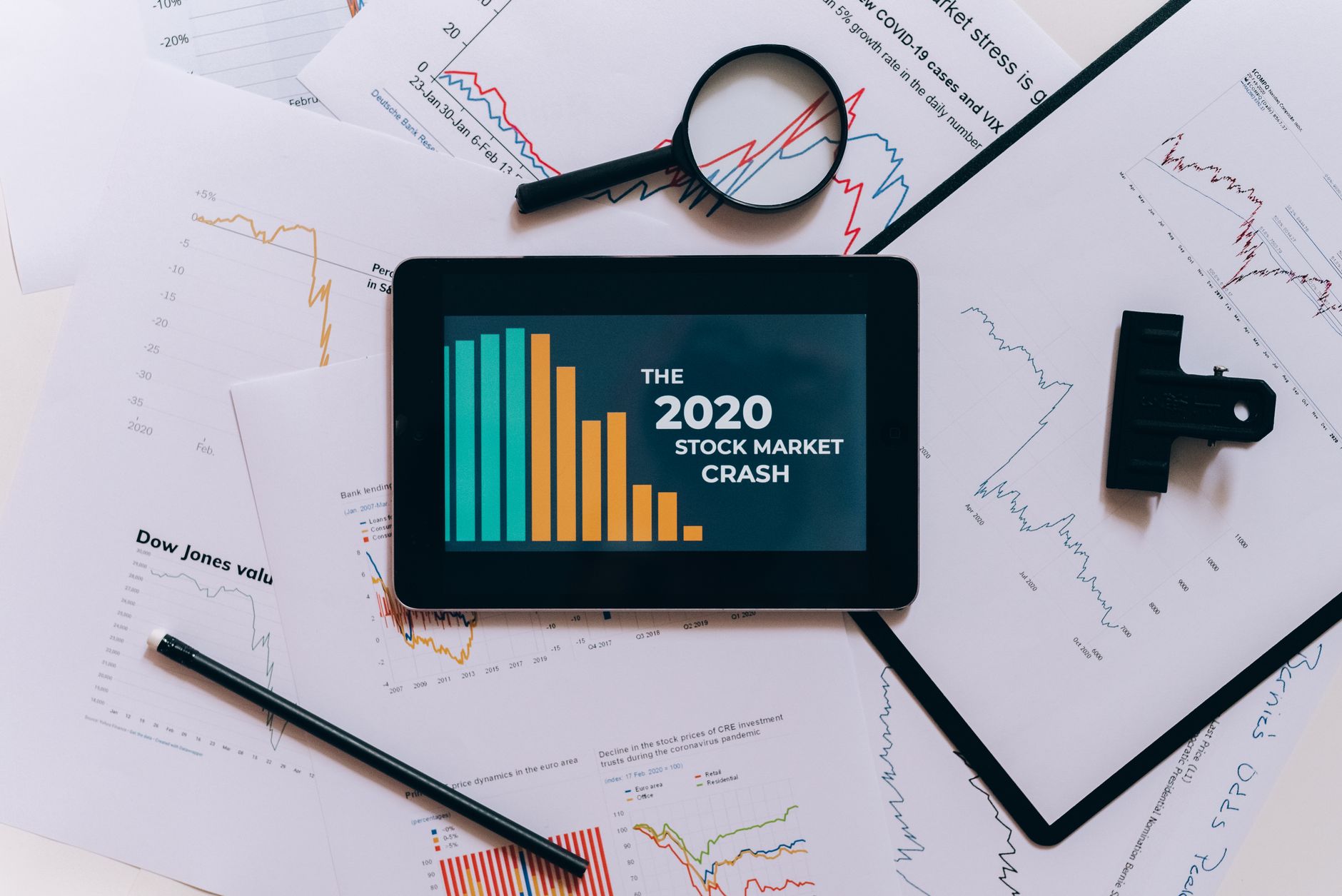
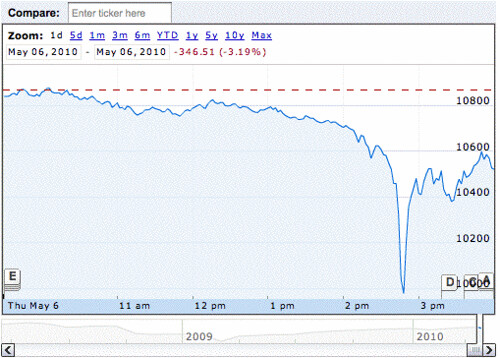
The Sensex market plunge has shocked investors as it fell 2,200 points from the day’s high. This dramatic drop has raised concerns about market stability.
What Caused the Sensex Market Plunge?
The recent Sensex market plunge can be attributed to several key factors that have rattled investor confidence.
- Global Economic Concerns: A slowdown in major economies has raised alarms, leading to widespread selling in the stock markets.
- Interest Rate Hikes: Central banks are increasing interest rates to combat inflation, making borrowing more expensive and affecting corporate profitability.
- Geopolitical Tensions: Ongoing conflicts and uncertainties in various regions have created an unstable market environment, prompting investors to retreat.
- Profit Booking: Following a significant market rally, many investors chose to book profits, further driving down stock prices.
These issues collectively contributed to the abrupt decline, leaving many investors concerned about their portfolios amidst the Sensex market plunge.
Impact on Retail Investors
The recent Sensex market plunge has sent shockwaves through the investment community, particularly affecting retail investors. Many are left grappling with the immediate financial implications of the dramatic downturn.
As the market fell by 2,200 points from its day’s high, retail investors have experienced significant losses. The ripple effect of this decline has raised concerns about:
- Investment portfolios decreasing in value.
- Emotional stress and uncertainty regarding future market movements.
- Potential long-term impacts on retirement savings and financial goals.
Moreover, some investors may feel compelled to make hasty decisions, potentially exacerbating their losses. It is crucial for retail investors to remain calm and consider a well-thought-out strategy moving forward, rather than reacting impulsively to market fluctuations.
Historical Context of Market Drops
The historical context of significant market drops provides critical insights into the current Sensex market plunge. Over the years, Indian markets have experienced several dramatic declines, often influenced by global economic conditions, domestic policy changes, and investor sentiment. For instance, during the global financial crisis of 2008, the Sensex fell over 60% from its peak, showcasing the volatility inherent in equity markets.
Such downturns often lead to panic selling, but history suggests that markets eventually recover. Previous instances indicate that long-term investors who remained patient during downturns often reaped benefits as markets rebounded. Understanding this context can help investors navigate current challenges and make informed decisions, rather than succumbing to fear-driven actions.
Investors should remember that while market fluctuations can be alarming, they are often part of a larger economic cycle.
Expert Opinions on Future Trends
As the Sensex market plunge continues to reverberate, experts weigh in on potential future trends. Analysts suggest that while short-term volatility is expected, the long-term outlook may remain positive for resilient sectors. Dr. Anjali Mehta, a financial analyst, notes that “market corrections often present buying opportunities for investors who can identify fundamentally strong stocks.”
Many experts believe that global economic factors, such as inflation and interest rate changes, will play a pivotal role in shaping market dynamics in the coming months. Rahul Singh, a market strategist, emphasizes, “Investors should stay focused on their long-term goals and avoid panic selling during such downturns.”
In light of the recent plunge, it is crucial for investors to reassess their portfolios and consider diversifying their assets to mitigate risks associated with future market fluctuations.
How to Navigate Market Volatility
In the wake of the recent Sensex market plunge, investors are urged to adopt strategic measures to navigate this volatility. Following significant market drops, maintaining a clear perspective on investments is crucial. Here are some tips to consider:
- Stay Informed: Keep up with economic news and market trends to make educated decisions.
- Diversify Your Portfolio: Avoid putting all your funds in one area; diversification can mitigate risks.
- Long-Term Perspective: Focus on long-term goals rather than reacting to short-term fluctuations.
- Consult Financial Advisors: Professional guidance can help tailor strategies suited to individual risk tolerance.
Ultimately, understanding the market’s cyclical nature can empower investors to weather the storm and capitalize on future opportunities.
Key Takeaways for Investors
As the Sensex market plunge continues to affect the financial landscape, investors must remain vigilant and informed. Here are some key takeaways to consider:
- Assess Your Portfolio: Regularly review your investments to determine if any adjustments are necessary in light of current market conditions.
- Diversification is Crucial: A well-diversified portfolio can help mitigate risks associated with market volatility.
- Stay Informed: Keep abreast of financial news and expert analyses to make educated decisions.
- Avoid Panic Selling: Reacting impulsively to market dips can lead to significant losses.
- Look for Opportunities: Market downturns can present buying opportunities for long-term investors.
By understanding the implications of the Sensex market plunge, investors can strategize effectively for the future.
Understanding Market Sentiment
The recent Sensex market plunge has sent shockwaves through the investment community, causing a stir in market sentiment. Investors are grappling with feelings of uncertainty and anxiety as they assess the potential long-term implications for their portfolios. Many are questioning whether this drop is a temporary setback or indicative of deeper issues within the economy.
Despite the prevailing negativity, some market analysts suggest that a rebound could be on the horizon. They emphasize the importance of maintaining a level head and not making impulsive decisions based on short-term volatility. Investors are encouraged to focus on fundamental strengths rather than getting swept away by panic.
As the market continues to fluctuate, understanding the underlying sentiment can help investors make informed choices during these turbulent times.