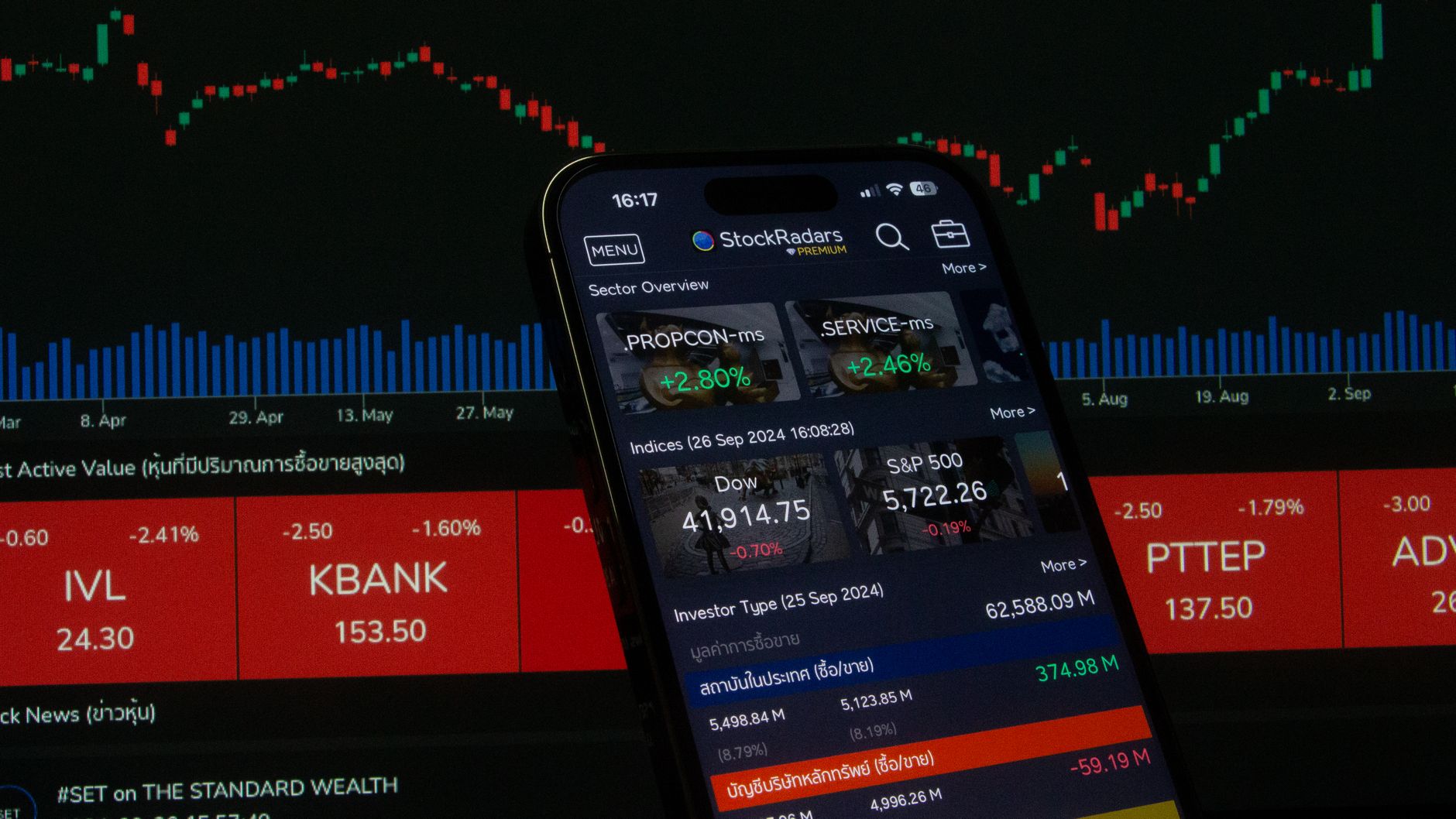
stock markets trading ended marginally lower in special Muhurat trading, marking the end of a seven-day rally. Investors are now left wondering about the implications of this downturn.
Overview of the Stock Market Performance
The recent performance of stock markets trading has raised concerns among investors. After a remarkable seven-day rally, the markets ended marginally lower during the special Muhurat trading session. This slight decline has left many wondering if it is indeed the worst time to invest.
Several factors contributed to the downturn:
- Global Economic Indicators: Recent reports suggest a slowdown in global economic growth, which has impacted investor sentiment.
- Inflation Rates: Persistently high inflation continues to pose challenges, causing uncertainty in market movements.
- Interest Rate Concerns: Speculations regarding potential interest rate hikes by central banks have led to increased volatility.
Despite these challenges, some analysts believe that market corrections can present opportunities for savvy investors. As the stock markets trading landscape evolves, many are closely monitoring upcoming economic data and corporate earnings reports that could influence market direction.
What is Muhurat Trading?
Muhurat trading is a significant event in the Indian stock markets, held on the occasion of Diwali. This special trading session typically lasts for a short period, and it is believed to bring prosperity and good fortune to investors. Traditionally, it marks the beginning of the new trading year in the Hindu calendar.
During Muhurat trading, stock markets trading can see increased activity as both retail and institutional investors participate. The session usually occurs on the evening of Diwali, and market sentiment tends to be optimistic, with many investors keen to start their new year on a positive note.
Despite the festive atmosphere, the recent performance of the stock markets has raised concerns. As noted in a recent report, stock markets ended marginally lower during this year’s Muhurat trading, snapping a seven-day rally. This decline has led some analysts to question whether it is indeed the worst time to invest, especially for those looking for long-term gains.
Investors are advised to consider market conditions and conduct thorough research before making decisions during such festive trading sessions.
Impact of Muhurat Trading on Investors
The recent Muhurat trading session, which is a traditional practice among Indian investors, has left many questioning its impact on stock markets trading. This special session, often seen as an auspicious time to invest, provided a unique opportunity for traders to reflect on market trends amidst a backdrop of fluctuating performances.
During this year’s Muhurat trading, stock markets ended marginally lower, snapping a seven-day rally that had raised hopes for sustained growth. Investors were met with mixed sentiments, leading to a cautious approach as they entered the new trading year.
Key factors influencing investor sentiment included:
- Market Trends: The recent performance of stocks leading up to Muhurat trading created both optimism and uncertainty.
- Economic Indicators: Economic data released prior to the trading session indicated potential challenges ahead.
- Global Influences: Developments in international markets also played a crucial role in shaping investor decisions.
As a result, many investors are left pondering whether this is indeed the worst time to invest in stock markets trading or if opportunities still await.
Reasons Behind the Market Decline
The recent decline in stock markets trading has raised concerns among investors regarding the timing of their investments. Several factors contribute to the current downturn, reflecting a complex economic landscape.
- Global Economic Slowdown: A slowdown in major economies has created uncertainty, impacting market confidence and leading to reduced investment activity.
- Interest Rate Hikes: Central banks are increasing interest rates to combat inflation, which can lead to higher borrowing costs and dampen consumer spending.
- Geopolitical Tensions: Ongoing geopolitical issues have caused volatility, making investors wary of riskier assets.
- Earnings Reports: Disappointing earnings from key companies have contributed to the overall negative sentiment in stock markets trading.
- Inflation Concerns: Persistent inflation continues to erode purchasing power, further complicating the investment landscape.
As these factors unfold, investors are left questioning the stability of stock markets and whether this is indeed the worst time to invest.
Expert Opinions on Current Trends
Experts are divided on whether now is the right time for stock markets trading. Some analysts believe the current decline presents a buying opportunity, while others caution against potential pitfalls.
According to financial strategist Jane Doe, “This dip may be temporary, and savvy investors can benefit from lower prices.” She emphasizes that historical data shows market recoveries often follow downturns, suggesting that long-term investment strategies should prevail.
Conversely, Mark Smith, a risk management expert, warns that economic uncertainties could linger. “Investors should be cautious. The recent market rally may have masked underlying issues that still need resolution,” he states.
Additionally, Emily White, a market analyst, notes, “The impact of Muhurat trading was minimal this year, which indicates that market sentiment could be more reactive than usual. Investors ought to reassess their portfolios before making any significant moves.”
As the situation evolves, experts recommend staying informed and considering both short-term and long-term strategies in stock markets trading.
Future Predictions for the Stock Market
As investors look ahead, the future predictions for stock markets trading remain uncertain. Analysts are divided on the potential trajectory of the markets, given the current economic climate. Some experts foresee a cautious recovery, while others warn of further volatility.
Key factors influencing these predictions include:
- Economic Indicators: Inflation rates and interest rate changes will play a critical role in shaping investor confidence.
- Corporate Earnings: Upcoming earnings reports could provide insights into the health of various sectors.
- Geopolitical Events: International tensions and trade agreements may also impact market stability.
Furthermore, the sentiment around investing during uncertain times suggests that while some view this as a potential opportunity, others remain hesitant. As we move forward, understanding market dynamics will be crucial for making informed decisions in stock markets trading.
Ultimately, the outlook remains mixed, and investors are advised to stay informed and adapt their strategies accordingly.
How to Navigate Market Fluctuations
As stock markets trading experiences increased volatility, investors are left to navigate the unpredictable landscape. Understanding how to respond to market fluctuations can be crucial for both seasoned traders and newcomers alike.
- Stay Informed: Keeping up with financial news and market trends can help investors make informed decisions. Analysts often provide insights that can guide buying or selling actions.
- Diversify Your Portfolio: Spreading investments across various sectors can mitigate risks. A well-diversified portfolio can help cushion against downturns in specific industries.
- Set Clear Goals: Establishing investment objectives can provide direction. Whether short-term gains or long-term growth, having clear targets can help investors stay focused amid fluctuations.
- Consider Dollar-Cost Averaging: Investing a fixed amount regularly can reduce the impact of volatility. This strategy allows investors to buy more shares when prices are low and fewer when prices are high.
By adopting these strategies, investors can better navigate the complexities of stock markets trading and potentially capitalize on opportunities that arise during turbulent times.
Conclusion: What This Means for Investors
In conclusion, the current state of stock markets trading presents a complex scenario for investors. The recent decline, particularly after a seven-day rally, raises questions about whether this is an opportune time to invest or if caution should prevail. With experts divided on the future trajectory, it is essential for investors to assess their risk tolerance and investment goals.
For those considering entering the market, understanding the implications of recent trends and expert opinions is crucial. A well-informed strategy can help navigate fluctuations and capitalize on potential opportunities. Some investors may find value in identifying stocks that have shown resilience during downturns, while others might choose to adopt a wait-and-see approach.
Ultimately, the decision to invest during this period of uncertainty should be made thoughtfully. As the market continues to evolve, staying informed and agile will be key. Investors are encouraged to leverage available resources and expert insights to make sound decisions in the face of volatility.
Photo by StockRadars Co., on Pexels
References
Related reading
Emami Dabur Q2 results: Which is the Best Proven Performer? · Anthropic IPO News: The Best Investment Opportunity Ahead · C&A Modas earnings forecast: Best proven results ahead?